Workplace food operations change with the environment they support.
A Global Capability Center, technology workplace, BPO / ITES operation, and large corporate office may all require recurring meals, but their shift patterns, attendance, governance, and continuity pressures are different.
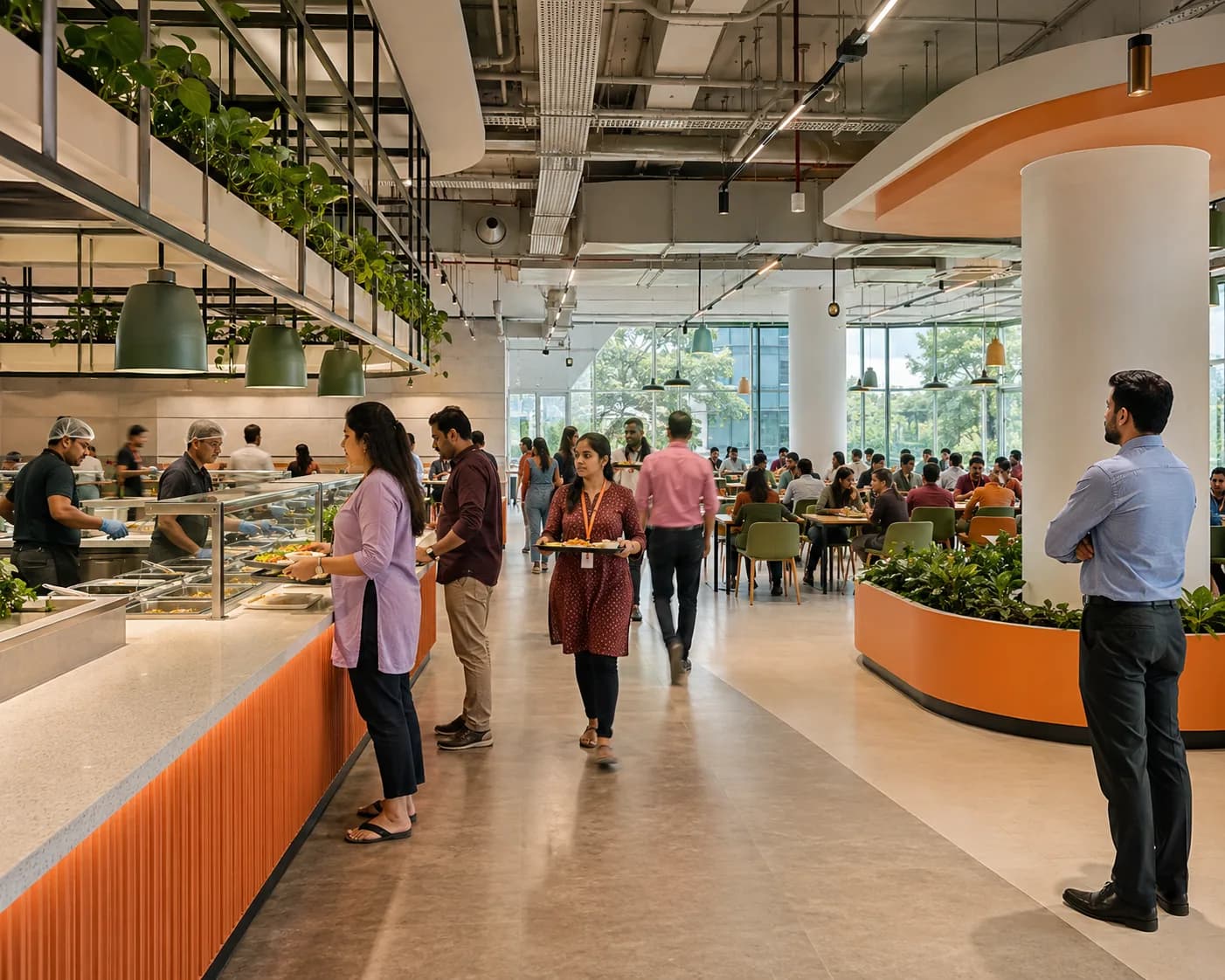
Enterprise dining operations, coordinated across shifts and stakeholders.
Find your environment
Which workplace environment is closest to yours?
Choose the environment that best reflects your operating context.
01 / FEATURED WORKPLACE
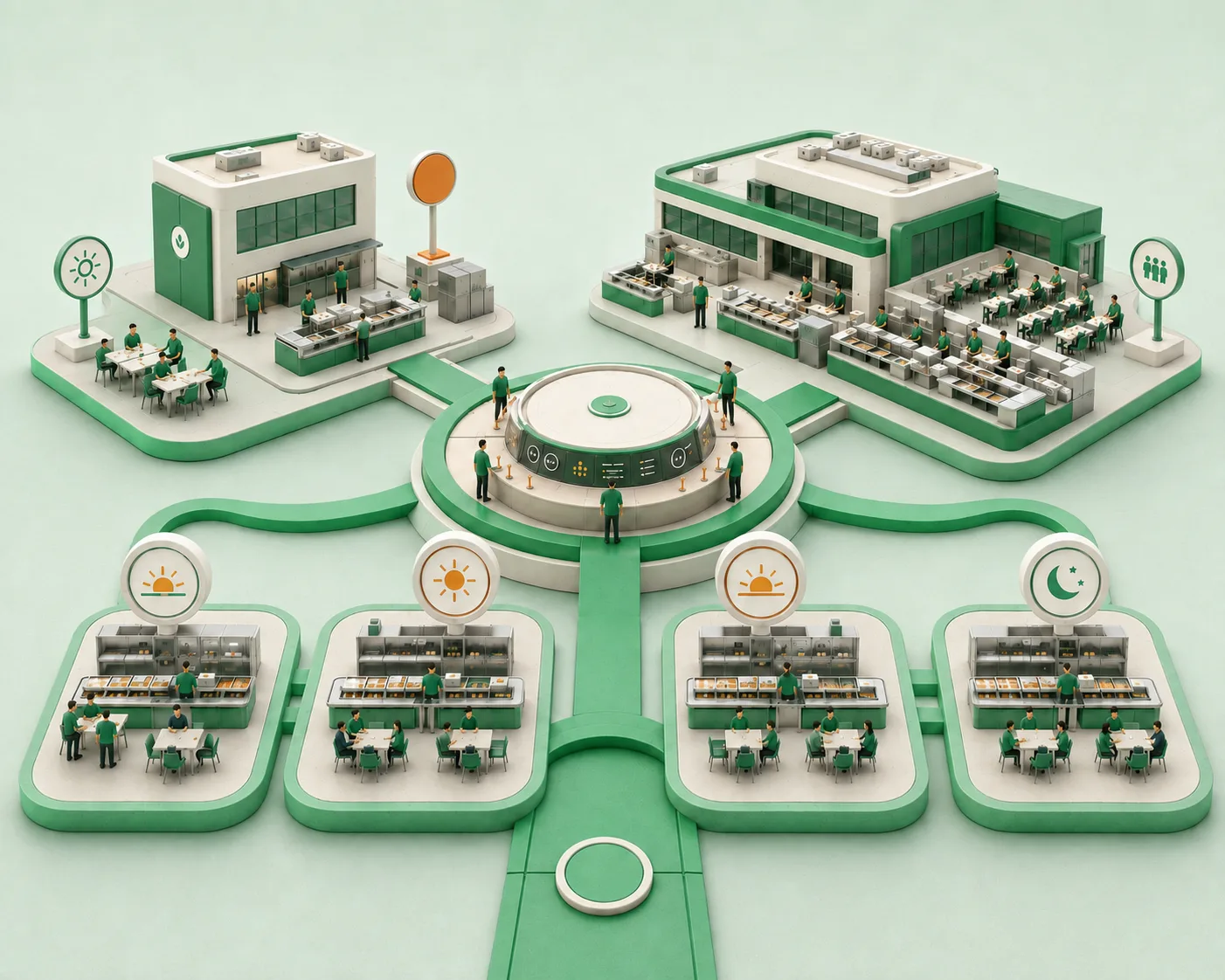
Global capability centers
New launches, changing headcount, multiple meal windows, enterprise governance, and continuity-sensitive growth.
Explore how workplace food operations can be planned around GCC launch readiness, expanding teams, hybrid attendance, and shift-based requirements.
02
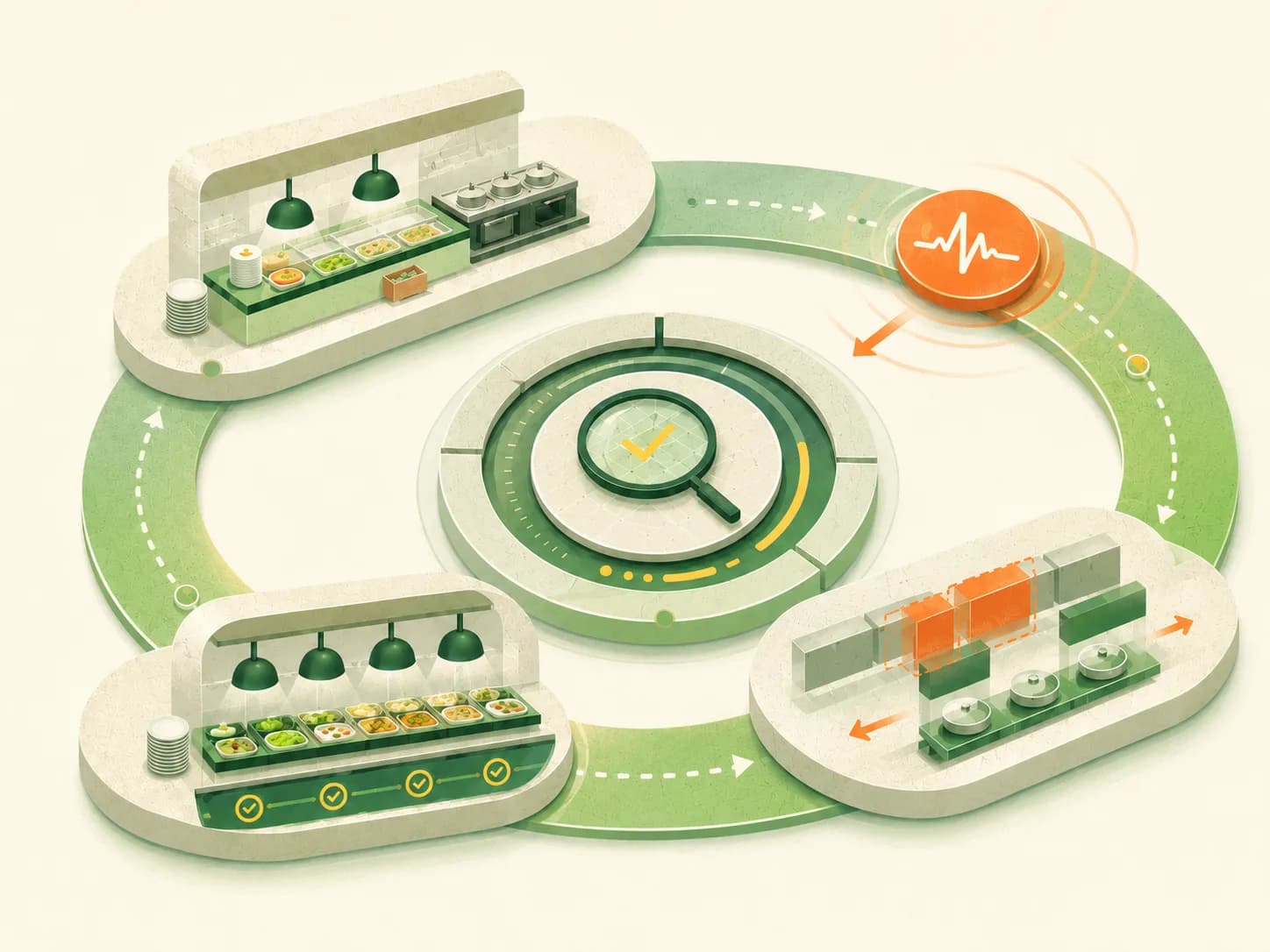
Technology companies
Hybrid attendance, fast growth, employee feedback, and changing recurring meal demand.
Explore Technology companies →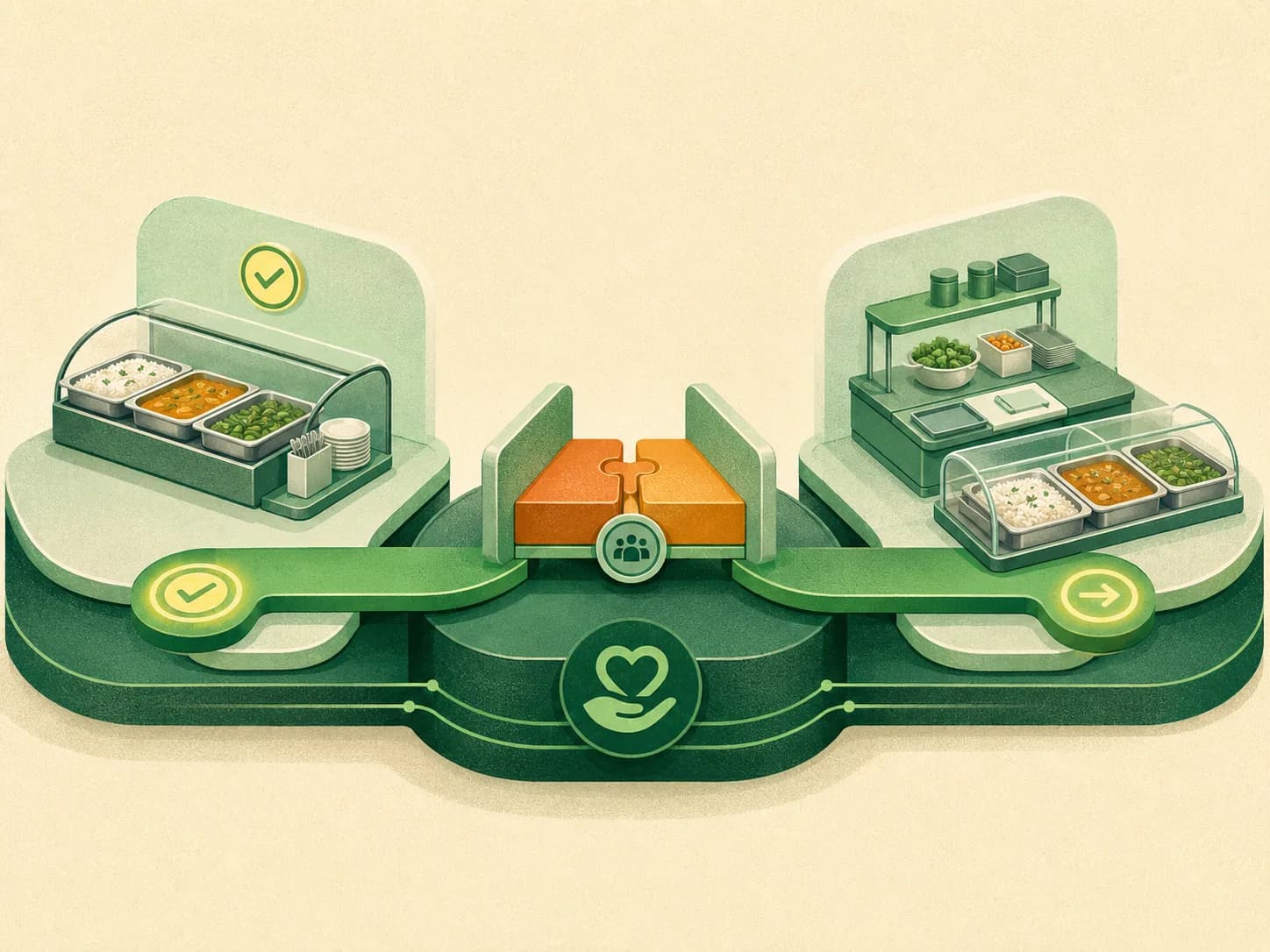
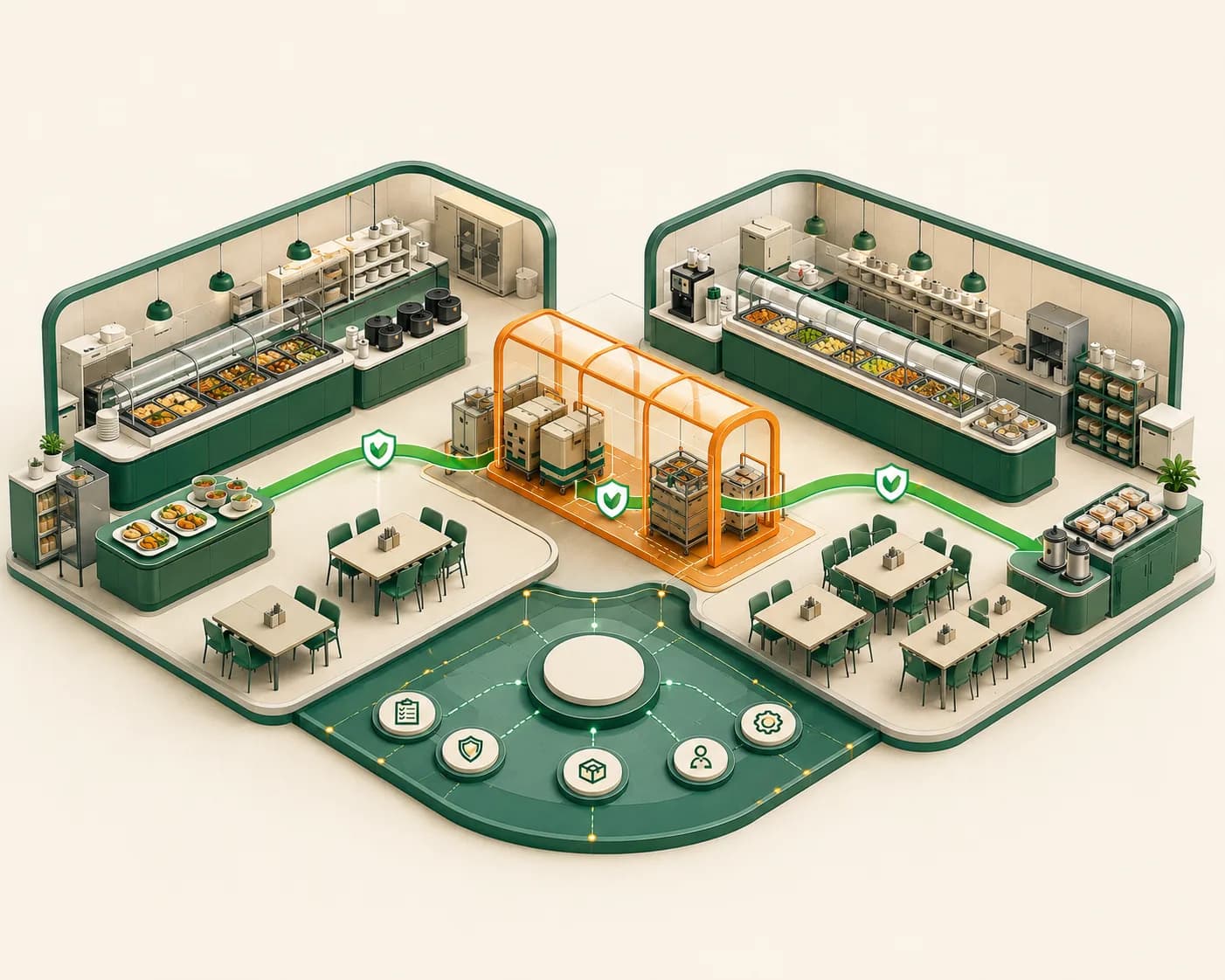
Different workplaces create different operating pressures.
Typical attendance pattern
Growing, launch-phase headcount
Shift complexity
Single or emerging dual shift
Meal-window needs
Multiple, evolving windows
Continuity sensitivity
High — growth-sensitive
Stakeholder structure
Enterprise and regional teams
Common food-service risk
Capacity mismatch during scale-up
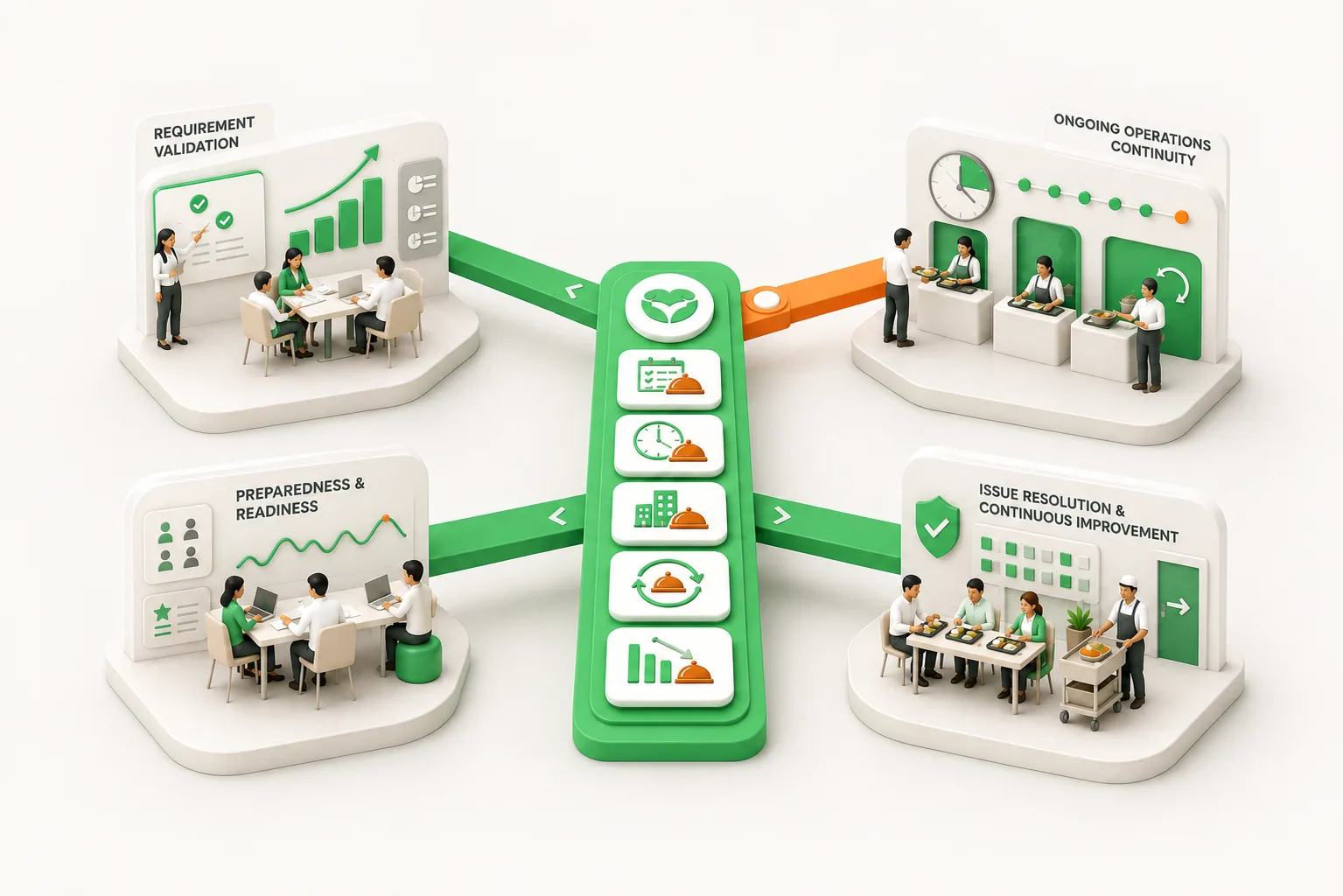
Relevant WeCare capability
Launch readiness & preparedness
Typical attendance pattern
Hybrid, variable attendance
Shift complexity
Flexible working hours
Meal-window needs
Fewer, fixed windows
Continuity sensitivity
Moderate
Stakeholder structure
Facilities and HR
Common food-service risk
Demand volatility
Relevant WeCare capability
Ongoing operations & feedback
Typical attendance pattern
Extended, high and continuous
Shift complexity
Multiple shifts, including night
Meal-window needs
Round-the-clock coverage
Continuity sensitivity
Very high — shift-dependent
Stakeholder structure
Operations leadership
Common food-service risk
Handover gaps between shifts
Relevant WeCare capability
Service & team alignment
Typical attendance pattern
Stable, large workforce
Shift complexity
Standard business hours
Meal-window needs
Fixed peak windows
Continuity sensitivity
Moderate to high, renewal-sensitive
Stakeholder structure
Multiple governance layers
Common food-service risk
Provider underperformance
Relevant WeCare capability
Issue resolution & improvement
Different environments often share the same operational friction.
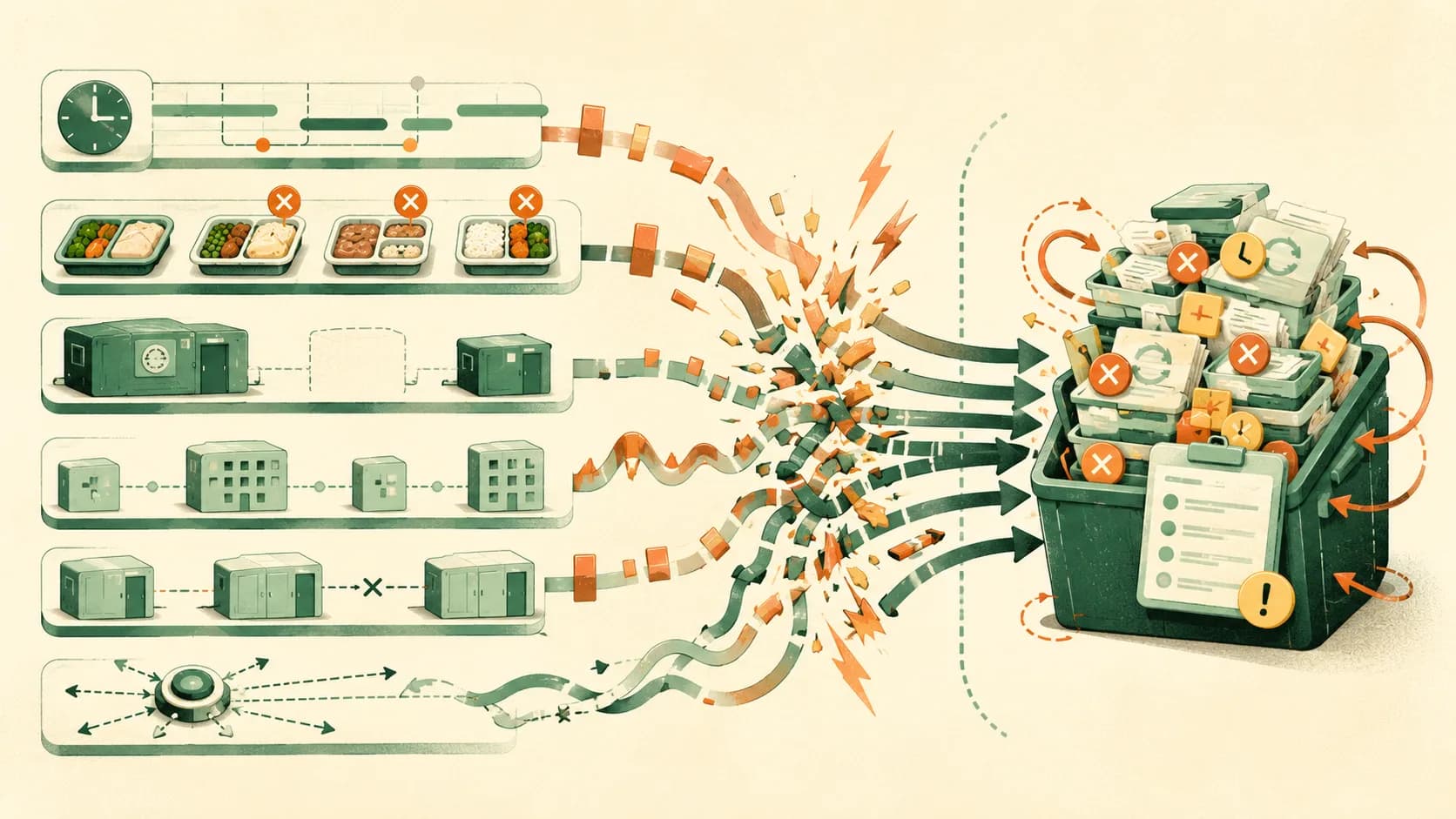
Outcome
More operational work returns to the client team.
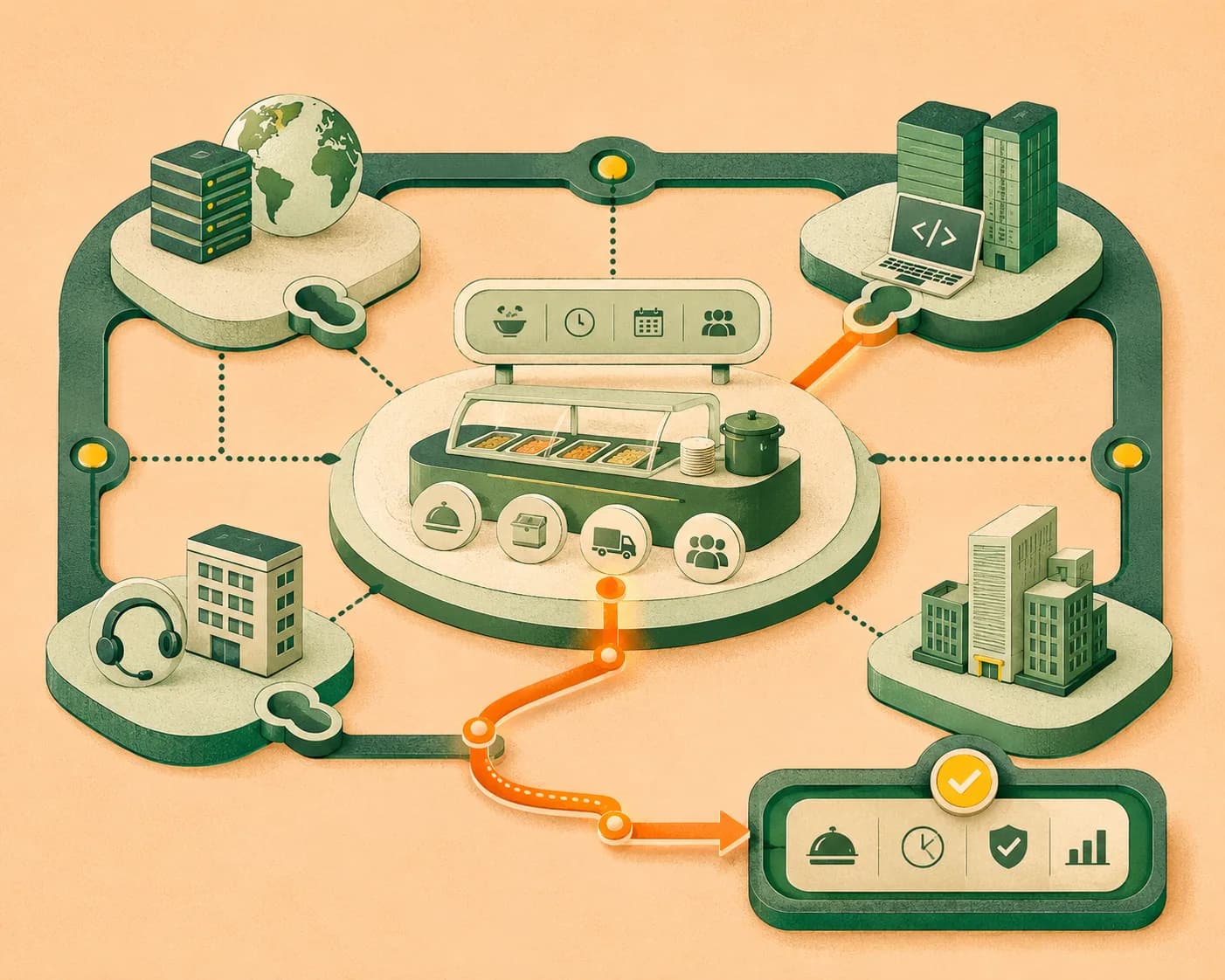
One operating model, adapted to the workplace context.
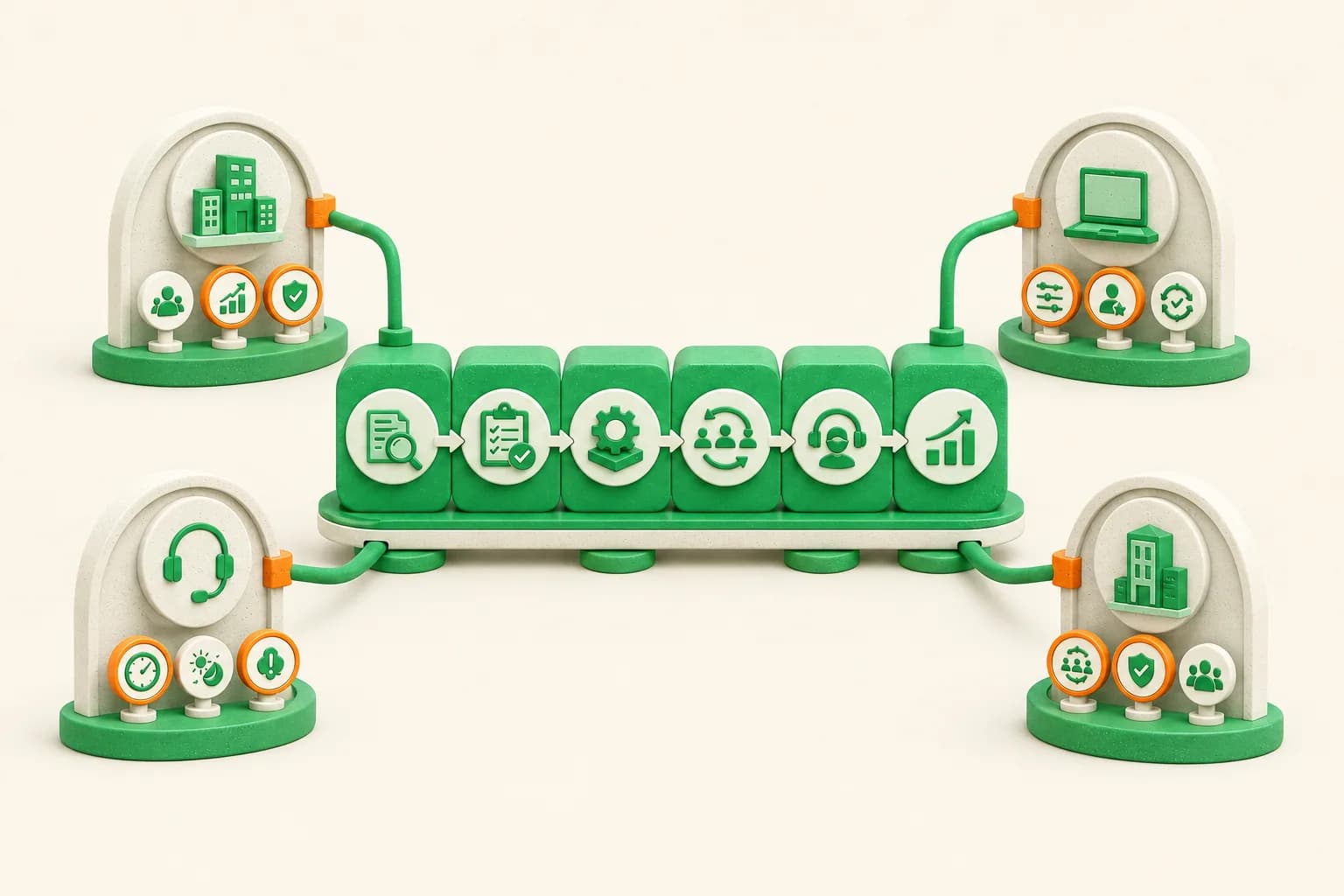
GCC
Launch readiness and changing headcount.
Technology
Attendance variability and employee feedback.
BPO / ITES
Shifts, handovers, and continuity.
Large Corporate Offices
Governance, accountability, and transition risk.
Find the solution most relevant to your workplace.
Global capability centers
Technology companies
Large corporate offices
Evidence should reflect the workplace context being evaluated.
Evidence class: Approved GCC operating example
Technology workplace evidence placeholder
Recurring meal program evidence
BPO / ITES process evidence
Multi-shift service evidence
Large corporate office case placeholder
Food-service transition evidence
Your organization does not fit one label?
Many enterprise workplaces share characteristics across several categories. Start with the operating challenge, shift pattern, or current food-service setup instead.
What makes your workplace food operation different?
Start with your workplace type, employee pattern, shift structure, or current operating challenge. A finalized brief is not required.